
The Allure of Chance
The psychological attraction to casino games often stems from the thrill of chance and the possibility of winning, especially when looking for an engaging online casino that offers unique experiences. Humans are inherently drawn to uncertainty and risk, which is why games of chance can evoke such excitement. The anticipation that builds before the outcome of a spin or a roll engages players’ emotions and heightens their overall experience. This brain engagement triggers the release of dopamine, often referred to as the “feel-good” neurotransmitter, reinforcing the desire to continue playing in hopes of a favorable outcome.
Moreover, the design of casino games capitalizes on our psychological tendencies. Bright lights, sounds, and the atmosphere all contribute to creating an environment that feels electric and captivating. Even the physical setup of the games fosters a sense of accessibility. Players often feel a euphoric rush during wins, but it’s the near-misses that can be just as compelling. These near-wins create a sense of false hope, encouraging players to keep trying, convinced they are on the verge of a breakthrough.
Additionally, the sense of community that many games foster can enhance a player’s enjoyment and urge to participate. Interacting with others, whether in person at a table or via online chat in virtual settings, can heighten the fun and distract from losses. The social aspect turns the game into a shared experience, reinforcing a participant’s connection to the game and often leading them to return for more, driven by their emotional experiences.
The Role of Reward Systems
In casino environments, the principles of operant conditioning are at work, primarily through reward systems. Players are motivated by varying patterns of reinforcement, where wins can be sporadic yet valuable. This unpredictability is a significant part of why players continue to engage with games, as they might win big after a series of losses, reinforcing the behavior of continual play. This variable-ratio reinforcement schedule is particularly effective because it provides rewards at unpredictable intervals, keeping the players on their toes.
The design of slots and other games cleverly incorporates features that amplify this effect, such as bonus rounds and jackpots. These elements provide players with both immediate and delayed rewards, further reinforcing their engagement. Players often feel a sense of achievement when they reach milestones in a game, even if these victories are small. Each win, no matter how minor, serves to reinforce their connection to the game and the casino environment.

Moreover, many casinos employ loyalty programs that capitalize on reward psychology. By offering points, bonuses, and perks, casinos create an ongoing relationship with players that promotes consistent return visits. This approach not only incentivizes playing but also instills a sense of belonging, as players strive to ascend through loyalty tiers, fostering a deeper emotional connection to the games and the casino itself.
Cognitive Biases in Gambling
Cognitive biases significantly impact how players perceive their gambling experiences. One of the most prominent is the illusion of control, where players believe they can influence random events, such as the outcome of a dice roll or a card hand. This bias can lead individuals to make irrational decisions, often resulting in a higher level of engagement with the game despite the odds being purely random. For many players, believing they can influence outcomes keeps them involved and leads them to take greater risks.
Another significant cognitive bias is the gambler’s fallacy, where players erroneously believe that past outcomes influence future results. For example, a player might think that because a particular number hasn’t appeared in a while, it is “due” to come up soon. This leads to misguided betting strategies and maintains an emotional investment that often doesn’t align with reality. Understanding these biases is crucial for both players and casino operators in shaping experiences that engage while also promoting responsible gaming.
Lastly, the concept of loss aversion plays a critical role in player behavior. Research indicates that losses are perceived as more impactful than equivalent gains. This means that players often chase losses, attempting to recover their funds, which can lead to extended play sessions and emotional distress. The cycle of trying to overcome losses is challenging to break, making it essential for both players to recognize their patterns and for casinos to promote responsible gambling measures.
Emotional Journey of Players
The emotional rollercoaster experienced by players is one of the key elements influencing their behavior at casinos. Players can experience a range of emotions from excitement and elation during wins to frustration and disappointment during losses. This wave of feelings can drive players to engage with the games more deeply, often blurring the lines between entertainment and obsession. Understanding this emotional journey helps to explain why some individuals may gamble more than they intend, sometimes leading to problematic patterns of behavior.
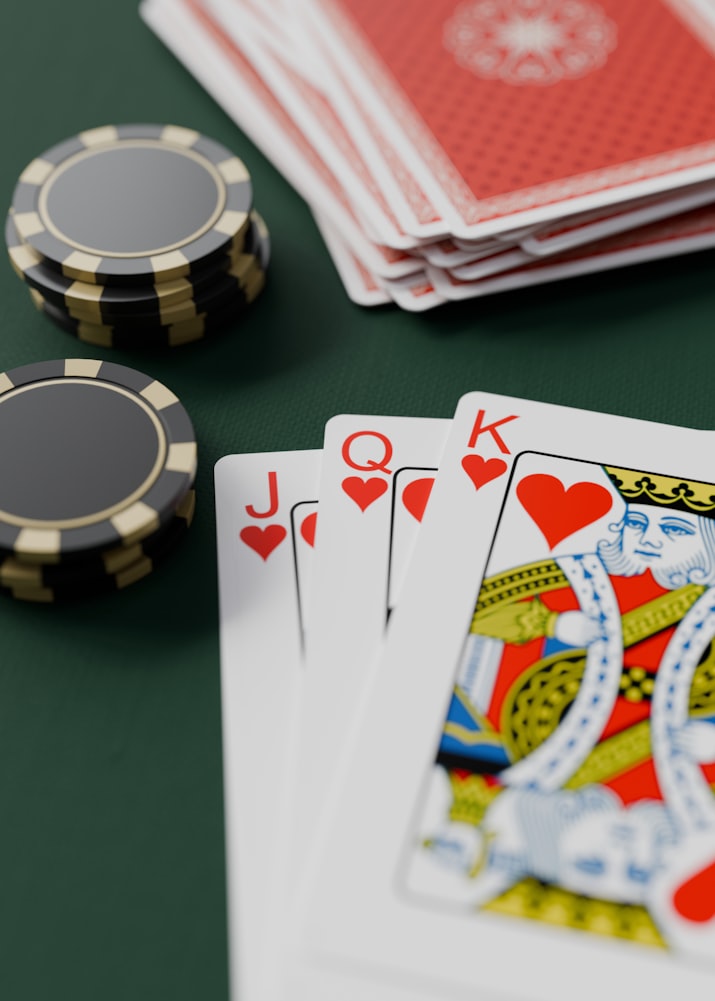
The impact of emotions also varies among different types of games. For example, table games like blackjack or poker require skill and decision-making, leading to heightened emotional involvement based on strategy and player interaction. In contrast, slot machines offer more passive entertainment, often leading to a more solitary experience. The emotional engagement can shift dramatically based on the game type, affecting how players react to wins and losses.
Additionally, the aftermath of gambling can leave players grappling with guilt or regret, especially if losses are significant. This emotional burden can lead to a complex relationship with gambling, where individuals oscillate between enjoyment and regret. Recognizing and addressing these emotions is crucial for fostering a healthier gaming culture, which includes promoting self-awareness and providing resources for those who may struggle with their gambling habits.
Understanding Player Behavior on Our Platform
On our platform, we strive to understand the intricacies of player behavior and the psychological factors that come into play during gaming experiences. By analyzing user data, we can tailor our offerings to enhance enjoyment while remaining conscious of fostering responsible gaming habits. Our commitment to providing a balanced experience allows us to align our features with the emotional and psychological needs of our players, ensuring that entertainment remains the primary focus.
We incorporate engaging content that educates players about the psychology of gambling, including the potential pitfalls associated with cognitive biases and emotional highs and lows. By offering resources and support, we aim to empower players to make informed choices while enjoying their time on our site. Our approach integrates entertainment with awareness, fostering a community that values responsible play.
In conclusion, our website serves not just as a gaming platform but as a space for learning and reflection. We encourage players to explore the psychology behind their gaming behavior and recognize the emotional and psychological dimensions at play. By doing so, we hope to enhance their experience and promote a healthier relationship with gaming overall.